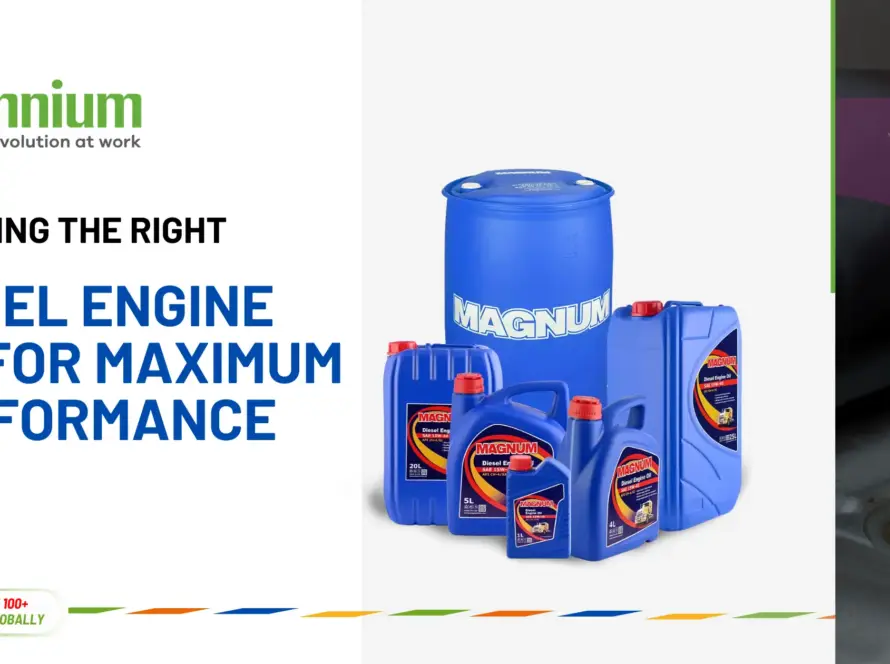
Bearings are a critical part of industrial machinery. They carry loads, reduce friction, and support rotating shafts. In heavy-load applications, bearings are under constant stress, and when lubrication isn’t right, problems show up fast, premature wear, overheating, and unplanned downtime.
Grease does more than just lubricate. It protects bearing surfaces, maintains a stable film under load, and helps keep contaminants out. Choosing the right grease has a direct impact on bearing life, operating efficiency, and overall machine reliability.
High-performance greases, such as Magnum Lithium EP Grease, are designed for these demanding conditions. They stay stable under pressure, resist shear, and help extend service intervals, even in tough industrial environments.
Understanding Grease Classifications
Not all greases perform the same, especially in industrial environments. Grease selection depends on the thickener type, the base oil, and how the product is designed to perform under load.
Lithium-based greases are among the most common in industry. They’re popular because they handle a wide temperature range, offer decent water resistance, and maintain good mechanical stability in everyday applications.
Calcium-based greases, on the other hand, excel in wet conditions. They provide excellent water resistance, although they typically don’t handle high temperatures as well. This makes them a good fit for environments where moisture is a constant issue.
For more demanding situations, complex and specialty greases are often used. These are formulated for extreme pressure, high speeds, or elevated temperatures where standard greases may fail.
Base oil viscosity is just as important as the thickener. It determines how thick the lubricating film is and how much load the grease can support. When the right thickener and base oil are matched correctly, bearings run more efficiently and last longer under heavy loads.
Calcium vs. Lithium Greases
Calcium-based and lithium-based greases are two of the most commonly used options in industrial applications, and each serves a different purpose.
Calcium greases are known for their excellent water resistance, which makes them a good choice for outdoor equipment or environments where moisture is unavoidable. Their downside is limited high-temperature capability, so they’re usually better suited for low to medium load applications.
Lithium greases offer a wider operating range. They handle higher temperatures—often up to around 150 °C and provide strong mechanical and shear stability. Because of this, they’re widely used in high-load and high-speed bearing applications across many industries.
For bearings exposed to heavy loads, lithium EP (Extreme Pressure) greases are often the preferred option. Products like Magnum Lithium EP Grease maintain strong film strength under extreme pressure, resist mechanical breakdown, and deliver consistent lubrication over longer service intervals. That combination makes them a reliable choice in demanding industrial environments.
Load-Carrying and Shear Stability
Heavy-load bearings put a lot of stress on grease, especially in industrial environments. Two factors matter more than anything else.
The first is load-carrying capacity. Under extreme pressure, grease has to maintain a protective film between metal surfaces. That’s where extreme-pressure (EP) additives come in. They react under load to form protective layers that help prevent scuffing and excessive wear.
The second is shear stability. As bearings rotate, they generate constant shear forces. If the grease can’t handle that stress, it starts to break down. Viscosity drops, the lubricating film weakens, and bearing failure can follow much sooner than expected.
High-quality greases are designed to resist this kind of mechanical breakdown. They hold their consistency, maintain proper viscosity, and continue to protect against load even after repeated operating cycles. The result is smoother bearing operation, lower friction, and significantly longer equipment life.
Temperature and Contamination Considerations
Heavy-load bearings often run in tough environments, and two issues show up again and again: heat and contamination.
High operating temperatures can thin grease, reduce its load-carrying ability, and speed up oxidation. When that happens, protection drops off quickly. Lithium EP greases are better suited for these conditions because they hold their viscosity and continue to perform even as temperatures rise.
Contamination is the other big challenge. Dust, water, and metal particles can break down the protective film inside a bearing. Grease plays an important role here by acting as a barrier that helps keep contaminants out. Regular inspections and clean relubrication practices go a long way toward maintaining efficiency and preventing damage.
Choosing a grease designed for temperature stability and contamination resistance helps protect bearings, reduce downtime, and keep equipment running reliably in demanding conditions.
Relubrication Intervals
Relubrication frequency has a big impact on bearing life and overall performance. Getting it wrong either way can cause problems.
Greasing too often can be just as harmful as not greasing enough. Overfilled bearings generate excess heat, increase drag, and waste energy. On the other hand, if relubrication intervals are too long, oil starvation sets in. Metal-to-metal contact increases, friction rises, and wear accelerates quickly.
Several factors influence how often bearings should be relubricated. Bearing size and speed matter, as do operating load and temperature. The type of grease used and the base oil viscosity also play an important role in how long protection lasts.
Lithium EP greases are well suited for demanding applications because of their strong shear stability and resistance to heat. They maintain consistent lubrication over longer periods, allowing extended service intervals. For operators, that means reliable protection with less frequent maintenance, saving both time and operating costs.
Benefits of the Right Grease Selection
Choosing the right grease for heavy-load bearings delivers clear, practical benefits in day-to-day operations.
High-quality grease maintains a stable lubricating film, which significantly reduces wear on bearing surfaces under load. That protection slows fatigue, limits corrosion, and helps prevent scuffing, all of which contribute to longer bearing life.
Reduced friction also improves energy efficiency. Bearings run more smoothly, requiring less power to keep equipment moving. Over time, this translates into noticeable energy savings.
Proper grease selection lowers maintenance costs as well. Longer relubrication intervals mean fewer shutdowns, less labor, and reduced downtime. Most importantly, bearings remain reliable even when operating under extreme pressure, heat, and contamination.
Premium products like Magnum Lithium EP Grease combine these advantages, making them well suited for heavy-load industrial applications where reliability and efficiency matter most.
Frequently Asked Questions About Why Grease Selection Matters for Heavy-Load Bearings
Which grease type is best for bearings?
What determines re-lubrication intervals?
How does grease reduce wear?
Conclusion
Heavy-load bearings play a major role in industrial machinery performance. When lubrication is treated as an afterthought, problems show up quickly, higher wear, unexpected downtime, and shortened equipment life.
Choosing the right grease makes a real difference. Products like Magnum Lithium EP Grease are designed to stay stable under extreme loads. They resist shear, hold up under heat, and provide strong protection against wear and contamination, even in demanding operating conditions.
With proper grease selection, bearings last longer, machines run more efficiently, and maintenance interruptions are reduced. In high-pressure industrial systems, selecting the correct grease isn’t just good practice, it’s one of the simplest and most effective ways to protect equipment investments and keep operations running smoothly.
.